In 2005, former Ironman triathlete Bryan Pate dreamed of an outdoor workout that combined the impact-free motion of an elliptical trainer with the freedom of cycling. Over coffee, he and mechanical engineer Brent Teal sketched the first ElliptiGO prototype on a napkin—a bold concept that would redefine outdoor fitness. Early prototypes sprang from Brent’s garage, where welded tubes and makeshift linkages repeatedly revealed new challenges. Metal fatigue, awkward steering, and clunky gear transitions tested both the team’s ingenuity and resolve, laying bare the need for a more precise, efficient design process.

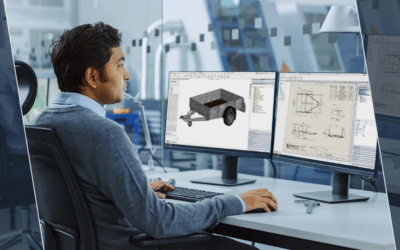
Faced with these hurdles, Brent turned to SOLIDWORKS Premium for its integrated 3D modeling and simulation capabilities. What had once demanded countless physical mock-ups now unfolded on-screen: pedal strokes and steering angles could be adjusted with a mouse click, and a six-degrees-of-freedom motion study visualized real-world kinematics in vivid detail. Virtual testing exposed binding points and steering instabilities before any metal was welded. This seamless transition from concept to digital prototype cut iteration time by more than 40%, empowering the team to explore complex frame geometries and linkage designs without extra machining expense.
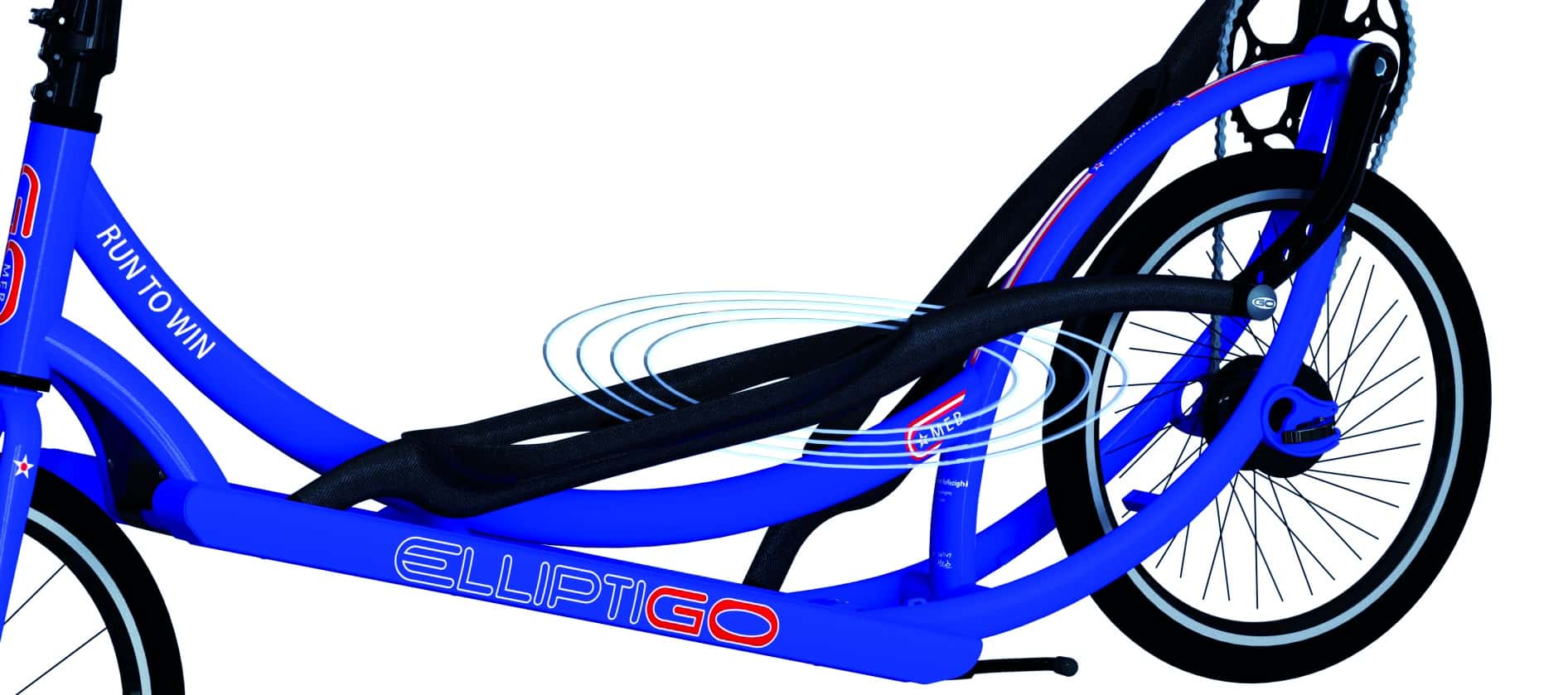
Once confident in motion, ElliptiGO engineers tackled structural integrity using SOLIDWORKS’ finite element analysis. By identifying stress concentrations in the rear triangle and pedal linkages, they trimmed unnecessary material and optimized tube profiles, reducing frame weight by around 12%. Fatigue simulations ensured that each weld and tube section could endure thousands of pedal cycles. These virtual stress tests replaced many expensive, time-consuming shop trials and slashed development costs by 20%, underlining how simulation-driven refinement can unlock both performance gains and leaner budgets.
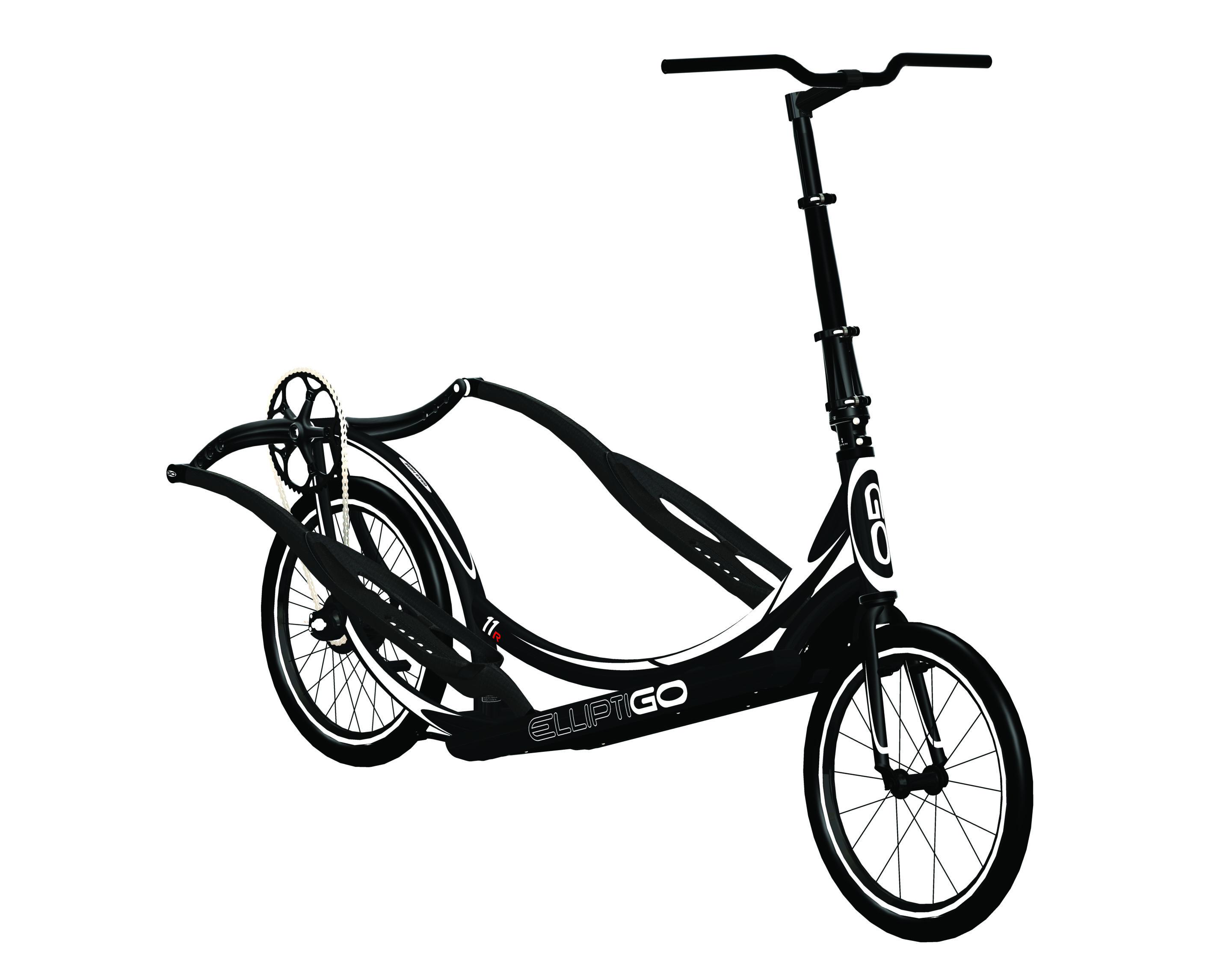
Growing demand prompted ElliptiGO to expand beyond its original eight-speed model. Thanks to SOLIDWORKS’ configuration management, Brent created a single master assembly and spun off multiple variants—3-speed for casual riders, 11-speed for endurance athletes, and the special-edition Meb 8S honouring marathoner Meb Keflezighi—by simply toggling parameters. This approach preserved design consistency while accelerating new product launches by 30%. With over 16,000 bikes sold and distribution across North America, Europe, and Asia, ElliptiGO’s agile development pipeline has become a competitive powerhouse, balancing innovation with manufacturing efficiency.
The true measure of success shines through rider feedback: cyclists with joint pain regained mobility, triathletes enjoyed off-season training, and outdoor enthusiasts rediscovered freedom without impact. Backed by 23 patents—many conceived and validated within SOLIDWORKS—ElliptiGO continues to pioneer advanced linkage geometries, vibration-damping improvements, and accessory integrations. As they explore carbon composites and cloud-based design collaboration, the company stands poised for its next engineering leap. From a napkin sketch to a global fitness phenomenon, ElliptiGO’s journey illustrates how integrated design and simulation catalyze bold ideas into market-ready realities.
Enjoy 30% off for 30 days!
To celebrate SOLIDWORKS turning 30 we are offering 30% off of all SOLIDWORKS packages* until the 20th of June
To take advantage of this get in touch below!